Hello. I'm Sugimoto, a writer living in Kyoto.
With the Gion Festival approaching, I've been feeling a little restless lately.
In addition to its satellite offices in Kamiyama, Tokushima, and Suo-Oshima, Yamaguchi, Monosus also has an affiliate company in Bangkok, Thailand: Monosus Thailand (hereafter "MonoThai"). I don't think many companies of this size have so many locations. That, too, feels very Monosus.
The other day, at a meeting of the Monosus website editorial team, someone remarked, "There haven't been many articles about MonoThai lately." That led to an online interview with Takuya Miyakawa, who was involved in founding MonoThai, to hear how he and MonoThai have been doing recently.
Come to think of it, isn't next year MonoThai's 10th anniversary?
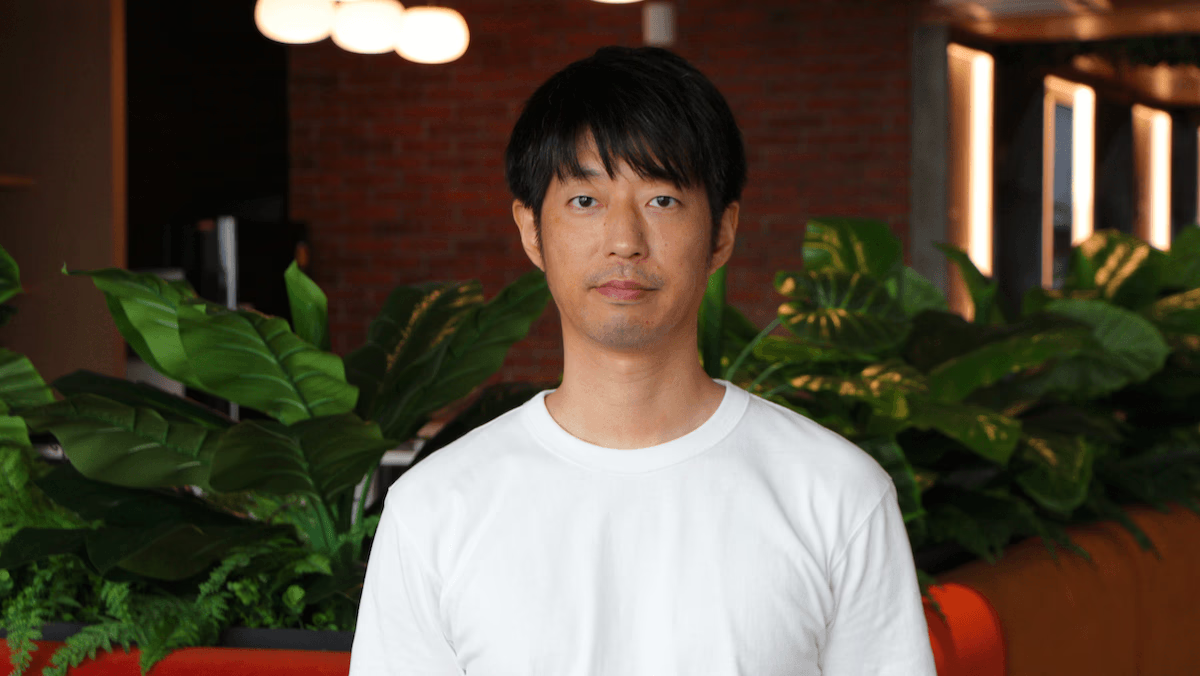
Sugimoto MonoThai was founded in November 2014, so next year marks its 10th anniversary. What does the current team look like?
Miyakawa Honestly, the 10th anniversary isn't important to me at all, and I don't really think about it... but I guess that's right?
We've generally hovered around 20 people in total. MonoThai has four board members, and I'm the only one handling local management. There are five Japanese members: directors Yurika Machiyama, Yuki Hinata, Yuka Tanaka (currently seconded to Japan), and Go Hatamine (seconded to Thailand), plus Natsumi Tanaka, who works as both a checker and a coder. There are 13 Thai members: Beth, a director; nine coders; two interpreters; and Noo in general affairs.
Sugimoto Was your first trip to Thailand a business trip?

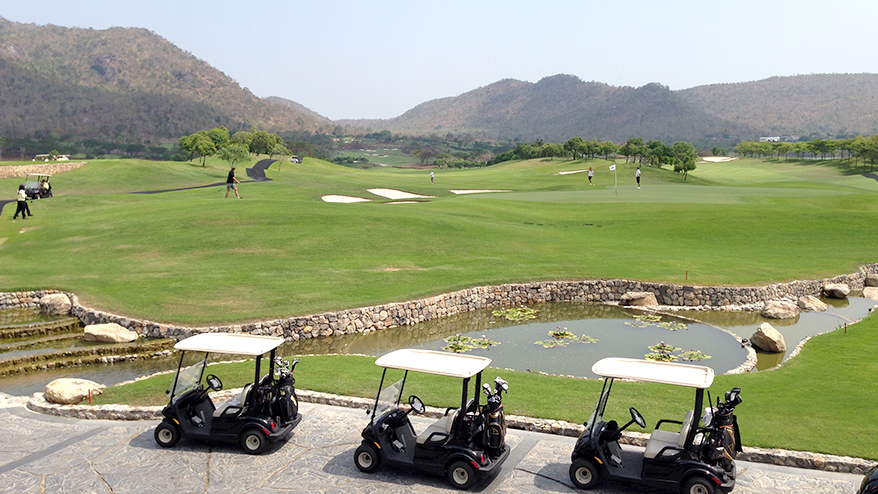
Miyakawa It all started the year before, when three Monosus executives went on an inspection tour of Japanese companies in Thailand. At the time, the Coding Factory (hereafter "CF") was struggling with hiring, and the idea of setting up a local company to solve that problem emerged. To get a feel for the environment, Yosuke Ito, who was then head of CF, and I went on a site visit for about three nights. After that, I was seconded to a local partner company for about three months, and as plans to establish the company moved forward, I was told, "If you're willing to stay in Thailand, we'd like you to be a director." So I accepted the role of director at MonoThai.
From CF to founding a Thai company: what was behind this remarkable career change?
Sugimoto How did you go about setting up the company in Thailand?
Miyakawa Our president, Hayashi, had researched the process in advance, and I went with him to give presentations to obtain approval as a business promoted by the Thai government. Without approval from the Thailand Board of Investment (BOI), we couldn't establish the company with 100% Japanese foreign capital, and there were restrictions such as having to hire four Thai employees for every Japanese employee. Our application was sent back once, which made us nervous, but we managed to get approval. After that, with support from our partner company on registration and other procedures, we started hiring the founding staff.
Sugimoto Working at CF and setting up a local company in Thailand aren't really on the same path; they're completely different kinds of work. Why did you decide to take it on?
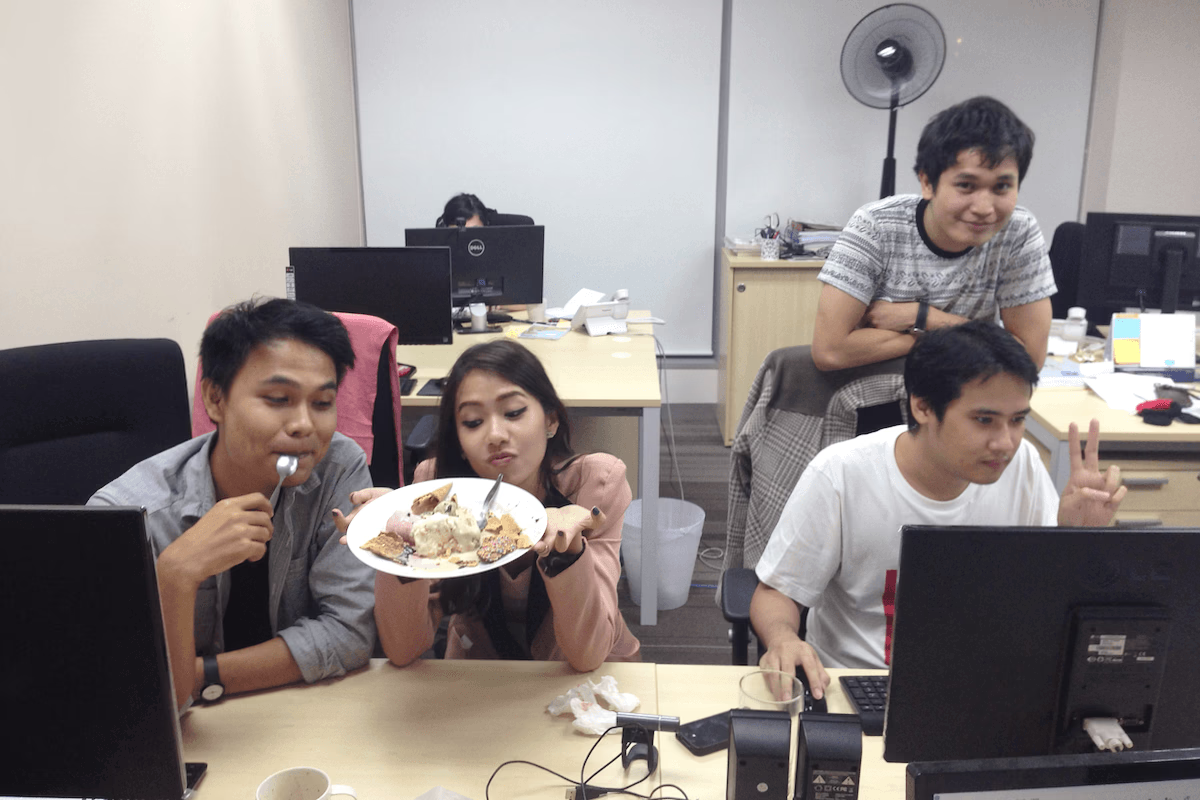
Miyakawa Let me see. I'm sure there were difficulties, but at the time the excitement outweighed them. I'd been at Monosus for about three years, and rather than going deeper into web front-end development and coding, I wanted to change the kind of work I was doing.
Thinking again about my own traits and strengths, I believe I'm fairly good at reading people and judging situations. In my first year, I was suddenly picked to supervise revisions partway through a large project, and I was also entrusted with supervising mass production on other large projects, which included interviewing part-time staff. I had no prior experience in hiring or team building, but it came to me naturally. I think I've also enjoyed building MonoThai as an organization.
Remote work turned out to be a perfect fit for MonoThai
Sugimoto Please tell us how MonoThai is doing these days.
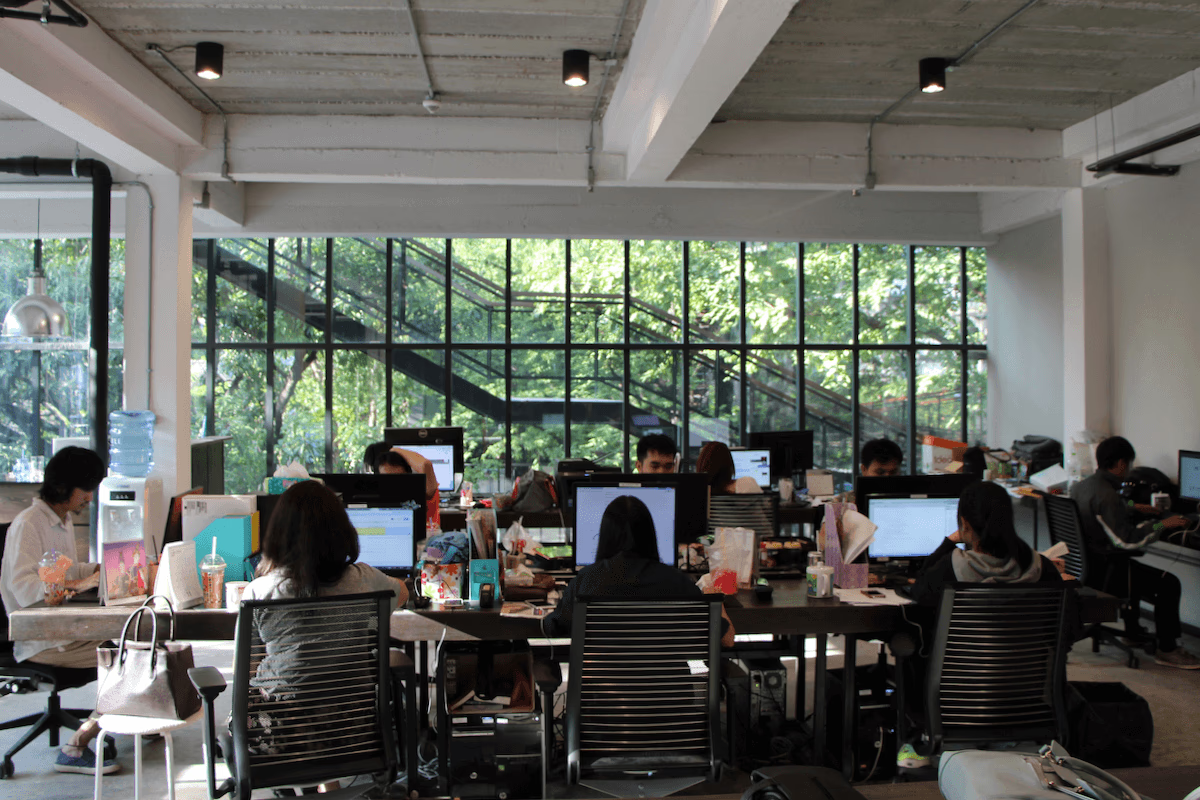
Miyakawa We moved into our current office in 2019. The building houses many IT companies and has coworking and event spaces, so we were thinking about collaborating with other companies. But just over six months later, the COVID-19 pandemic began. MonoThai switched to remote work in late March 2020 and has continued it to this day.
Sugimoto Has anything changed within the company since you went remote?
Miyakawa Remote work just turned out to suit MonoThai really well. It hasn't caused any particular problems for our work, and productivity hasn't dropped. Members who used to spend one to two hours commuting no longer waste that time, and members who are raising children can spend more time with them, so the benefits are actually significant. Day-to-day communication has moved online, but we also create opportunities to talk about things other than work. The Thai members hold a weekly meeting called the "Coder Party," and the Japanese members talk for about 30 minutes every day at an end-of-day meeting. Because we've worked together happily for years, I think we've been able to maintain our relationships even remotely. On top of that, new members have also been able to go through training and build relationships remotely.

I sense that Monosus would like people to come into the office as much as possible, but I also value rationality, so I don't think we need to aim for everyone coming in every day. That said, with fewer chances to get together, some of the programs we set up before are now on hold. Going forward, I'd like to try out rules that fit the current situation, create opportunities for everyone to come in and get together, and make sure employees and the company can rationally maintain a win-win relationship.
Creating fair and rational systems
Sugimoto Are there any parts of Monosus's culture and systems that MonoThai also values?
Miyakawa I think Monosus has a homey atmosphere and a shared value of everyone taking ownership of making the company better. We've adopted the best parts of Monosus's culture and systems, to the extent that our Thai members can embody them.
Sugimoto I hear MonoThai has events and programs where members can interact, such as company trips and birthday parties.
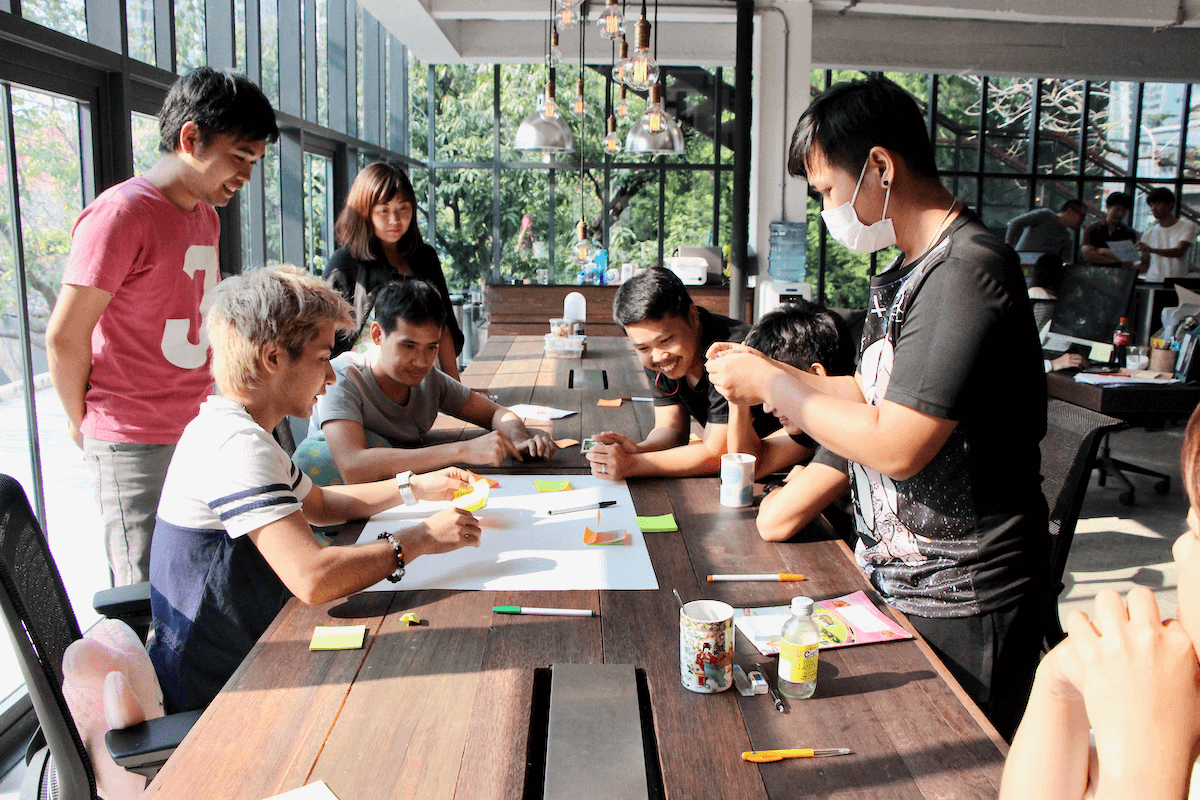
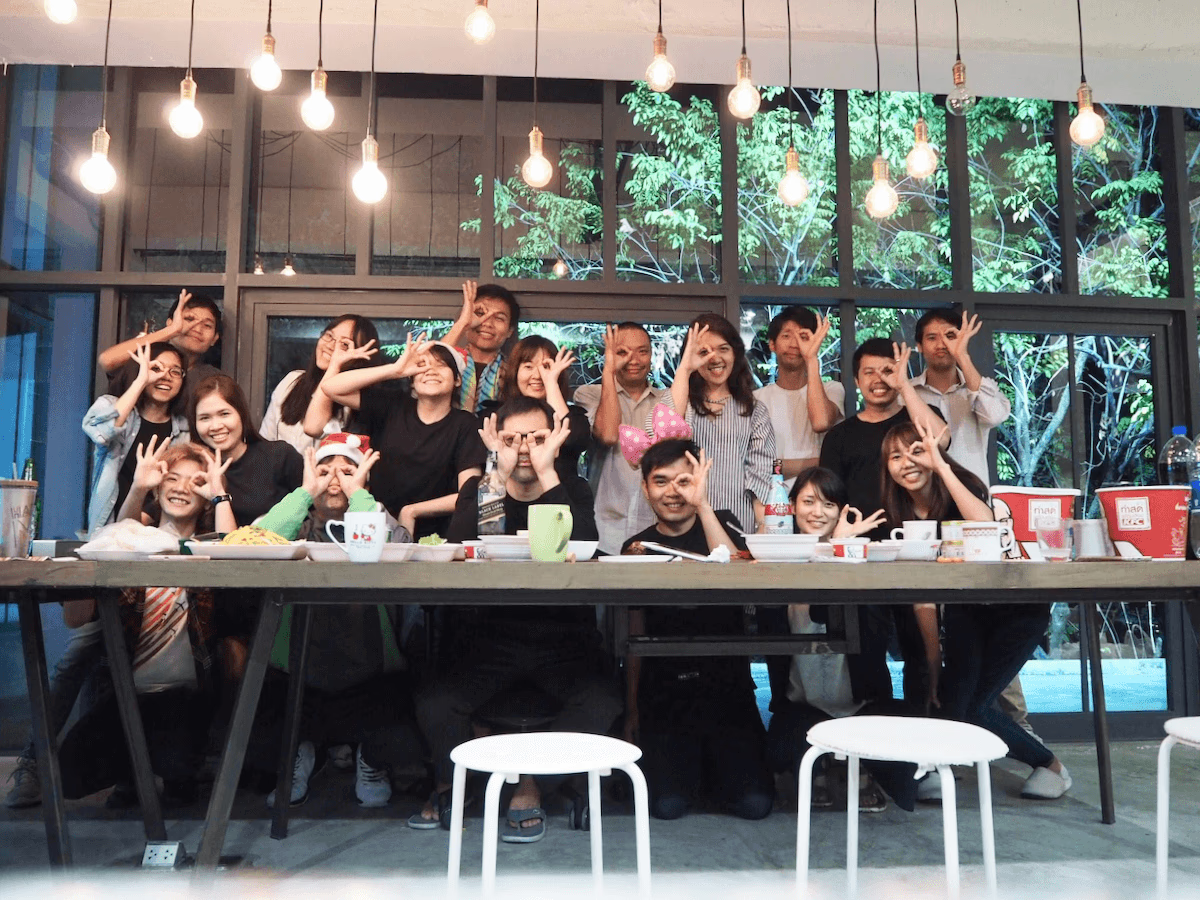
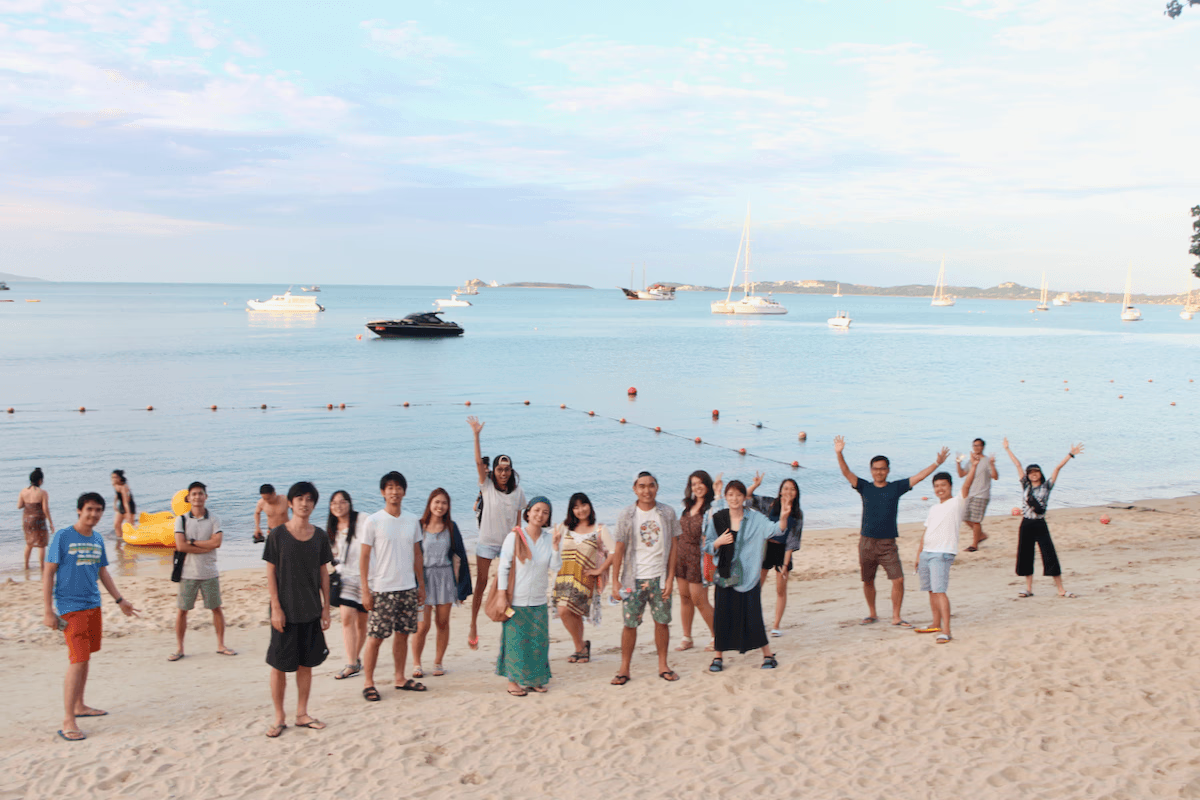
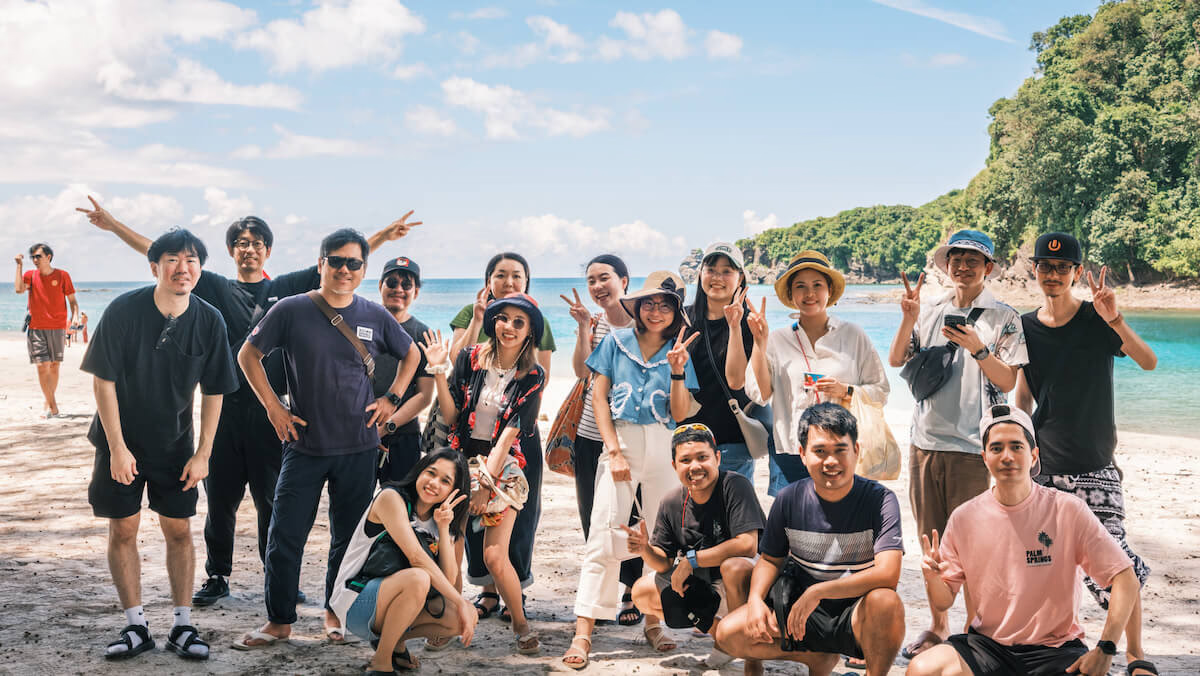
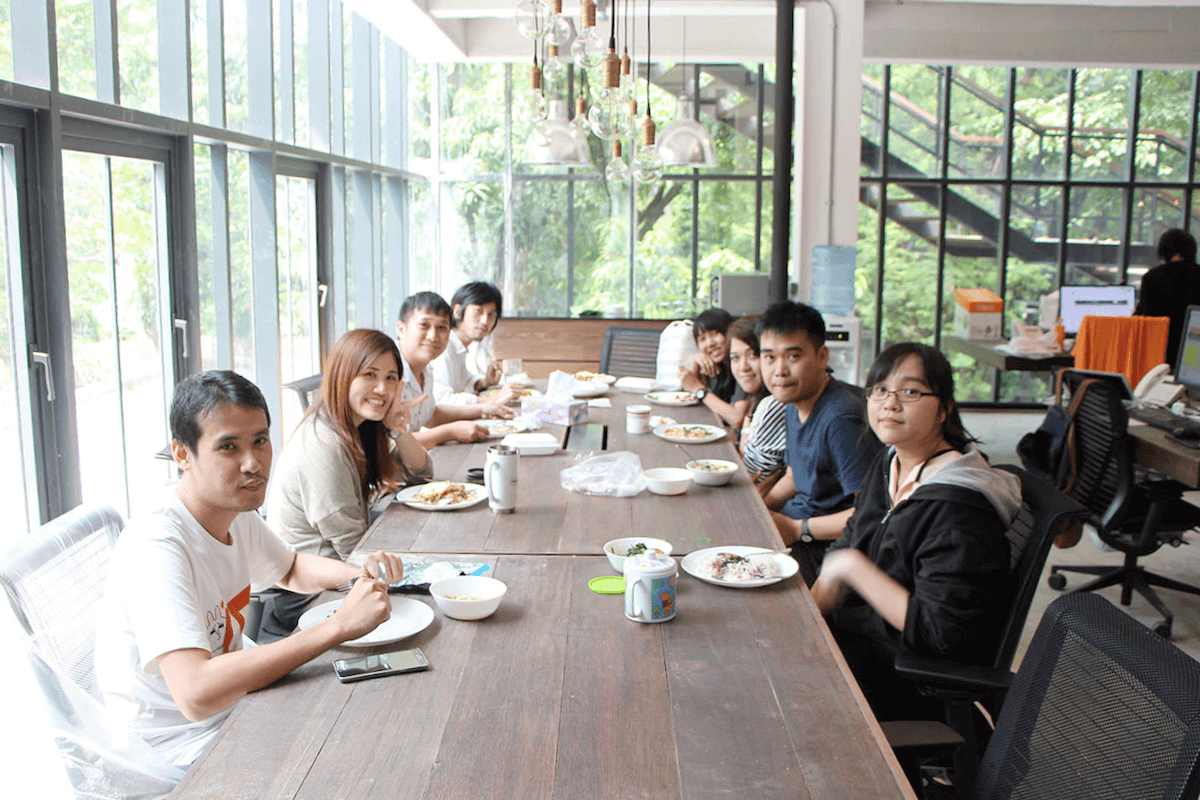
Miyakawa There are many programs we had to stop because of the pandemic, but I want to keep valuing activities and opportunities for interaction, such as overnight trips and day trips, so that members can maintain their relationships even while working remotely. I believe that as long as we keep valuing that, we'll be fine.
Until about our fifth year in Thailand, at MonoThai's all-hands meetings, a designated person would prepare one or two A4 pages each month and introduce themselves, starting from their upbringing. We went around the whole team about twice. They say people trust those who know them, so looking back, I think getting to understand each other through those self-introductions helped shape MonoThai's atmosphere.
Sugimoto In building the organization, too, you conduct hiring interviews together with the coders, and when a program you've created doesn't work out, you discuss it and change it. It seems you think about things from the members' perspective.
Miyakawa I do want everyone to take initiative, but I also learn a great deal myself, and there are many things only the people on the front line understand. So I think the better idea should be adopted, no matter what position it comes from. The company is small, and I hold most of the decision-making authority, which means we can respond flexibly, sometimes by creating reasonable exceptions.
Actually, I have some standards I won't compromise on. I don't want to impose rules I find unreasonable, or things I dislike myself, on other people. The company and its employees each have their own circumstances, and I want to be properly fair. I also have a kind of sense of justice: I don't want to create systems that push through what's convenient for the company while pretending it's "for the employees." I make decisions based on my own sense of right and wrong, and of what's fair.
I believe hiring matters more than training
Sugimoto What do you prioritize when hiring new members?
Miyakawa While listening to candidates in interviews, I try to picture their inner character and personality. Even if someone has a certain level of ability, I'll pass on them if I'm bothered by negative traits like an unpleasant vibe, arrogance, or a tendency to blame others. Occasionally I've misjudged someone's ability or potential, but I think I read people's character correctly most of the time. Hayashi once told me happily, "Tong (the lead coder) said, 'There's no other company where Thai people work this diligently.'"
Sugimoto So you value "whether something is rational" and "whether it builds a win-win relationship."
Miyakawa Maybe so. I care about how each person feels, and I want to make rational decisions where everyone wins, so I end up giving myself a lot of variables. Sometimes I can't make a decision until I find that answer.
I've been calm since I was a child, the type who reads the room. At school, I was somewhere in the middle between lively and quiet, the kind of person who could talk normally with anyone in class and understand how everyone felt, and I think that shows in how I relate to people. I'm also the eldest son, seven years older than my younger brothers, who are a year apart, so I wanted to let them do what they wanted and to respect them. The way I watched over my brothers from a little distance may be somewhat similar to the way I manage.
Sugimoto Does the way you relate to your brothers also influence how you develop people?
Miyakawa Saying I "develop" people feels a bit presumptuous. I have no sense at all of having "developed" anyone. In fact, I haven't developed anyone. I may have given people opportunities or insights that helped them grow, but in my view, I don't really believe education can do that much for a person's growth. I place my hopes in self-driven practice based on one's own realizations, and I want to do a good job of hiring people who can do that.
In the early days, I reviewed the Thai members' code and worked alongside them, but since stepping away from the front line, I've left the directors and engineers to give each other feedback as they work on projects day to day. For knowledge sharing and similar opportunities, I have them decide what they need themselves at the weekly leaders' meeting. I think there are opinions that wouldn't come up if I were there, so I want them to talk among themselves without worrying about me.
When the interview ended, Nozomi Nakajima, who had sat in on it, remarked, "I was listening and thinking, 'So he says he doesn't develop people.'" I felt exactly the same. Being a strong leader isn't only about pulling people along forcefully. I think Miyakawa has nurtured MonoThai with a calm yet strong leadership that gently embraces it. I'd like to create another opportunity to hear from MonoThai's members.